
In the world of contemporary sculpture, a bespoke miniature portrait sculpture is not merely a decorative object, but a frozen slice of time, a symbol of emotion and priceless memories. For a handcrafted work to achieve perfection in both aesthetics and collectible value, exquisite shaping is only half the journey. The remaining half belongs to materials science: a rigorous drying process and advanced surface treatment techniques.
For those who own or personally craft art pieces, a thorough understanding of how to preserve clay sculptures and the physical nature of premium air-dry clay sculptures is the key to protecting the work from the ravages of time, moisture, and mold. This article will analyze in depth, from both scientific and artistic perspectives, the processing and surface finishing methods required to deliver eternal color durability to these miniature art masterpieces.
1. The Physical Nature of Air-Dry Clay Sculptures and Challenges in Preservation
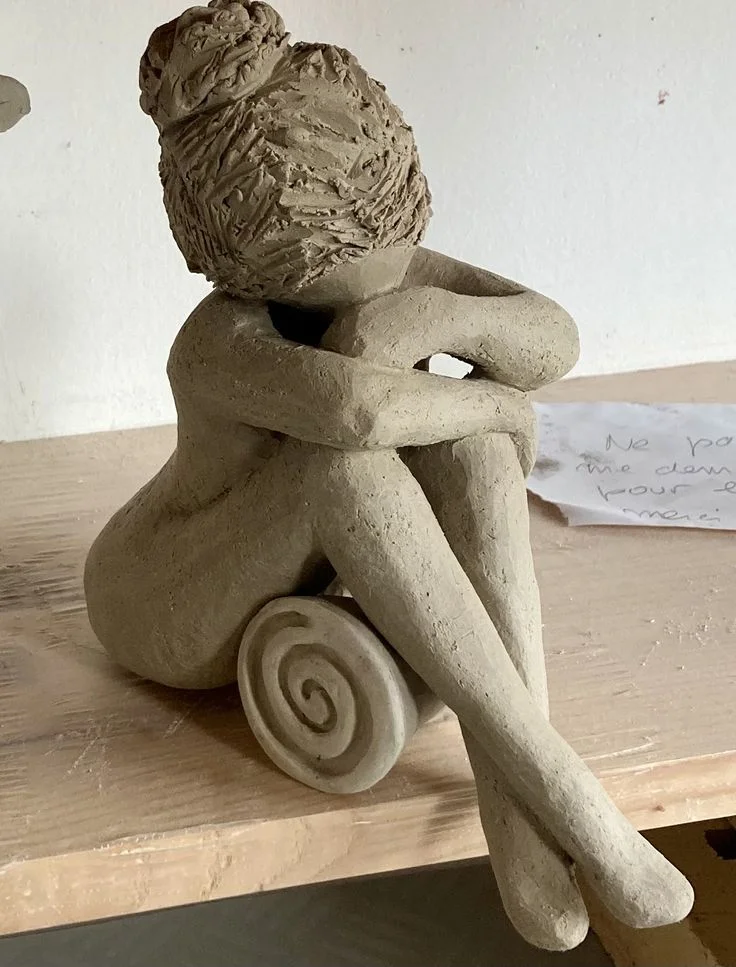
To identify the optimal way to preserve clay sculptures, we must first understand the physical nature of their constituent material. Unlike traditional fired clays that must undergo thousands of degrees in a kiln to achieve vitrification, high-quality air-dry clay sculptures typically cure through natural water evaporation to reach a completely solid state.
Wet Clay: Free Water & Binding Fibers
▼ Slow, Natural Water Evaporation
Dry Clay: Micro-Porous Structure & Capillary Pores
▼ If Exposed to High Humidity Without Proactive Protection
Moisture Absorption → Softened Structure → Mold Growth
This process releases free water interspersed between the clay molecules and protective cellulose fibers. As water evaporates, the clay structure shrinks, leaving microscopic pores inside. It is this porous structure that imparts two important physical characteristics:
- Lightweight and High Resilience: Perfectly suited for creating intricate hair details, flowing garments, or delicate expressions on the faces of miniature portrait sculptures.
- Highly Sensitive Hygroscopicity: Due to countless microscopic capillary pores, untreated air-dry clay acts as a natural “dehumidifier.” When ambient humidity rises (such as the tropical monsoon climate of Vietnam), the work absorbs moisture from the air. This not only weakens the clay’s physical bonds, causing structure softening, but also creates ideal conditions for mold spores to colonize and grow from deep within.
Thus, a standardized drying process and an absolute protective surface barrier are imperative to transform a raw clay prototype into a bespoke handcrafted masterpiece capable of enduring across generations.
2. The Fine Art Drying Process: Slowly Crafting Perfection
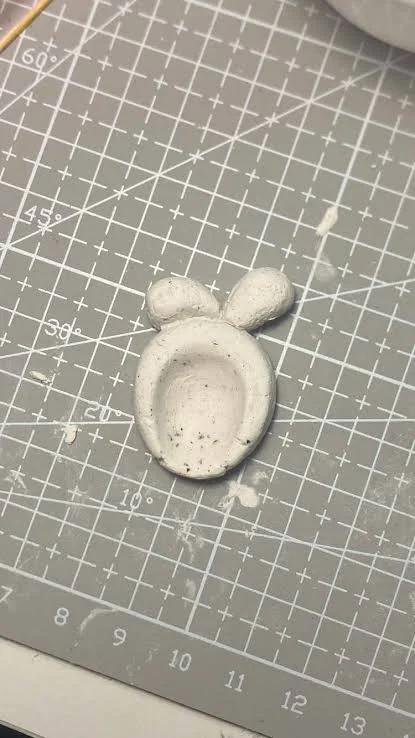
Impatience is the greatest enemy of manual sculpting. Many try to accelerate the drying process using high-heat sources such as hair dryers on high, placing pieces near heaters, or exposing them directly to harsh sunlight. Sculpting science has proven: Uneven water evaporation rates are the core cause of physical structural cracking.
An artistic drying process for bespoke decor pieces must strictly adhere to the following 3 stages:
Stage 1: Natural Air Drying – Avoiding Thermal Shock
The artwork, once shaped, should be placed in a room with a stable temperature (around 22 – 28°C) and gentle air circulation.
- Avoid Using Heat Dryers: High heat from a dryer will cause the outer clay layer to dry rapidly and shrink, while the core remains moist and retains its original volume. This volumetric discrepancy generates immense internal pressure, leading to hairline fractures or surface splits that completely ruin exquisite sculpted details.
- Utilizing Control Wraps (Optional): For larger sculptures or those with significant thickness variations (e.g., solid heads versus thin limbs), artisans often drape a micro-perforated food wrap over the piece during the first 24 hours. This slows evaporation from thin details, ensuring uniform shrinkage across the entire work.
Stage 2: Humidity Control of the Drying Environment
In overly humid environments (above 75%), drying will stagnate, potentially spawning mold before the clay can solidify. Conversely, in overly dry conditions (below 40%), moisture escapes too rapidly.
- Professional Solution: Dry the artwork in a room equipped with a dehumidifier set to an ideal level of 50% – 60%. This provides the perfect environment for the molecular bonds of the air-dry clay sculpture to stabilize progressively, achieving maximum hardness without becoming brittle.
Stage 3: Orienting and Structural Rotation (Flipping and Rotating)
Due to gravity and contact with the drying surface, the base of the sculpture is always the slowest area to shed moisture.
- Artisans should place the work on non-absorbent, easily movable surfaces (such as parchment paper or silicone mats).
- Every 12 hours, gently rotate the direction of the piece or tilt it slightly (if structural integrity permits) to ensure even airflow. The full drying cycle typically spans 48 to 72 hours, depending on the thickness of the clay layers.
3. Advanced Surface Treatment Process for Waterproofing and Mold Resistance
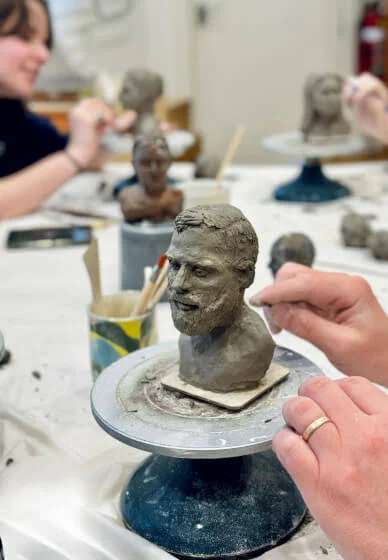
Once the clay prototype is completely dry (indicated by an evenly lightened surface color, a lack of cool moisture sensation upon touch, and a subtle resonance when gently tapped), it undergoes advanced surface treatment. This step determines both the aesthetic definition and environmental resilience of the piece.
|
1
Fully Dry Prototype
|
➜ |
2
Exquisite Sanding
(Grit 400–1000) |
➜ |
3
Unglazed Primer
Waterproof Gesso |
➜ |
4
Premium Acrylic
Color Coating |
Step 1: Fine Sanding
Before applying any protective coat or pigment layer, the surface must be smoothed to remove fingerprints, scratches, or uneven texture from the shaping process.
- Use ultra-fine sandpaper starting from 400 grit, gradually moving to 800, and finishing at 1000 or 1200.
- Sanding must be performed with extreme gentleness and precision, especially around the eye sockets, hair lines, and clothing folds of the miniature portrait sculpture.
- After sanding, use a soft-bristled brush to sweep away all clay dust. Absolutely avoid wiping firmly with a damp cloth at this stage, as clay dust liquefies into mud upon meeting water, blurring the newly carved details.
Step 2: Coating with Chemical-Physical Waterproof Gesso Primer
Many omit priming and apply paint directly to the dry clay. This often causes the paint to dull, become uneven, and easily peel over time, as the clay absorbs the paint’s solvents.
- Professional Art Gesso: Applying 1-2 coats of premium Gesso (artist-grade) is a critical transition. Gesso acts as an intermediate barrier, filling the microscopic pores on the clay surface and preventing moisture from the environment or paint solvents from seeping back into the core.
- Simultaneously, this primer coat creates a microscopic physical tooth, ensuring subsequent Acrylic layers bond tenaciously without cracking or peeling over time.
Step 3: Art Coloring with UV-Resistant Fine Art Acrylics
To achieve eternal color durability, the chosen palette must consist of artist-grade Acrylics with the highest lightfastness rating.
- Acrylic is a water-based medium, but once cured, it transforms into a flexible, water-insoluble polymer film, offering effective moisture barrier protection.
- Professional painting techniques require building consecutive thin layers rather than a single thick coat. Multi-layering thin pigments allows finer chromatic control, adds exquisite depth to the portrait sculpture, and minimizes surface paint cracking during sudden weather changes.
4. Protective Varnish Technology – An Eternal Shield Against Mold
Even when coated with Acrylic paint, a sculpture remains susceptible to environmental physical and chemical factors like airborne grime, sebum from human touch, oxidation, and crucially, mold. The final and most essential phase in how to preserve clay sculptures is varnishing.
Choosing the Protective Topcoat: Matte, Satin, or Glossy?
Depending on the aesthetic style of the artwork, the artisan selects the appropriate finish:
- Glossy Varnish: Creates a glazed ceramic-like surface with strong light reflection. Highly suitable for details such as eyes, lips, or jewelry to inject vibrant life into the work.
- Matte Varnish: Eliminates all light reflection, preserving the raw organic feel of the clay and fostering a premium, classic allure. This is the optimal choice for the skin, hair, and garments of realistic portrait sculptures to avoid an artificial, overly glossy appearance.
- Satin Varnish: A perfect middle ground between matte and gloss, offering a natural, gentle sheen akin to real skin under soft lighting.
Advanced Multi-Layer Coating Process
To build an impenetrable protective shield against mold, SnowArt utilizes a specialized multi-layer coating system:
- First Coat – Chemical Barrier: A specialized spray sealant (such as Montana Varnish or Liquitex Professional Acrylic Varnish) is applied in a fine, uniform mist over the sculpture. This aerosol barrier settles into microscopic crevices beyond the reach of standard brushes, locking in the underlying pigments.
- Intermediary Drying: The first coat is allowed to cure naturally for 2-4 hours in a completely dust-free environment.
- Second Coat – Mechanical Reinforcement: A premium, soft-bristled brush is used to paint a thin, even coat of liquid varnish. This second layer augments the protective membrane’s thickness, heightening physical scratch resistance against accidental impacts.
Upon completing this advanced multi-layer preservation process, the high-end handicraft is enveloped in an entirely waterproof polymer membrane. External humidity can no longer penetrate into the clay core, neutralizing potential mold spores at their root. Simultaneously, this shield filters UV rays, preventing light-induced fading and keeping the work as vibrant and brilliant as the day it emerged from the studio.
5. In-Home Care Guide for Air-Dry Clay Sculptures for Refined Owners
Though an artwork has been processed with professional surface technologies, displaying and preserving it within elite living spaces still requires correct archival knowledge to maintain its aesthetic value over time. Here are essential tips on how to preserve clay sculptures at home:
Ideal Display Locations in Your Home
- Avoid Prolonged Direct Sunlight: Though premium varnish filters UV rays, displaying the piece adjacent to west-facing windows or under intense direct sunlight for long periods can raise local temperature, inducing unnecessary thermal stress within the clay core. Showcase the sculpture in dry, cool settings—upon elegant wooden bookshelves, within dedicated glass display cabinets, or on majestic executive desks.
- Avoid Direct Moisture and Heat Sources: Do not place the artwork near humidifiers, kitchen stoves, bathrooms, or directly beneath air conditioning vents. Sudden and frequent fluctuations in temperature and humidity will compromise the lifespan of the protective surface membrane.
Proper Routine Maintenance
- Absolutely Do Not Use Chemical Solvents or Immerse in Water: Although the piece is waterproofed, immersion in water or using harsh cleaning agents (such as alcohol, glass cleaner, or acetone) will degrade the molecular structure of the protective varnish, ruining the pigments.
- Utilize Specialized Cleaning Tools:
- Weekly, use a large, ultra-soft makeup brush (or a camera lens blower/brush) to gently sweep away dust from fine details.
- For stubborn buildup from long-term exposure, use an ultra-soft microfiber cloth lightly dampened with clean water (wrung out completely until barely damp) to gently wipe the area, then immediately dry it with a soft dry cloth.
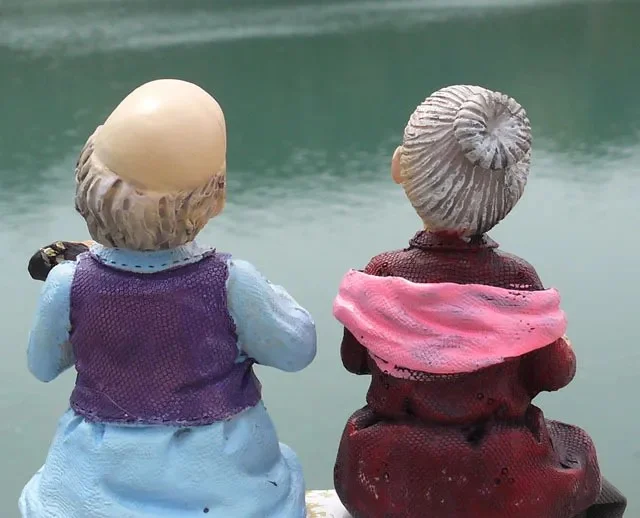
6. SnowArt – Crafting Unique Handcrafted Masterpieces of Enduring Value
At SnowArt, each bespoke miniature portrait sculpture transcends outstanding aesthetics and nuanced charisma replication; it is the crystallization of rigorous research in materials science. We understand that a high-end gift or a heritage decor piece created for refined patrons must fulfill a mission of enduring through time.
Every creation leaving the SnowArt studio undergoes a comprehensive 5-step technical quality control protocol:
The meticulousness within details concealed behind outward splendor is SnowArt’s commitment to authentic art—where pieces are crafted not only to be admired today, but as invaluable spiritual heritages to be passed down through generations.
Each bespoke miniature portrait sculpture at SnowArt is not merely a decorative piece, but a unique narrative marking your proudest milestones. Currently, our artisans are finalizing the clay prototypes to achieve optimal precision before the official launch.
To be among the first owners to enjoy exclusive privileges and receive direct bespoke consultations from our expert team upon launch, you are invited to register on our waitlist today.
Last Updated on 29/07/2026 by SnowArt